Organizing for Resident Well-being and Patient Care
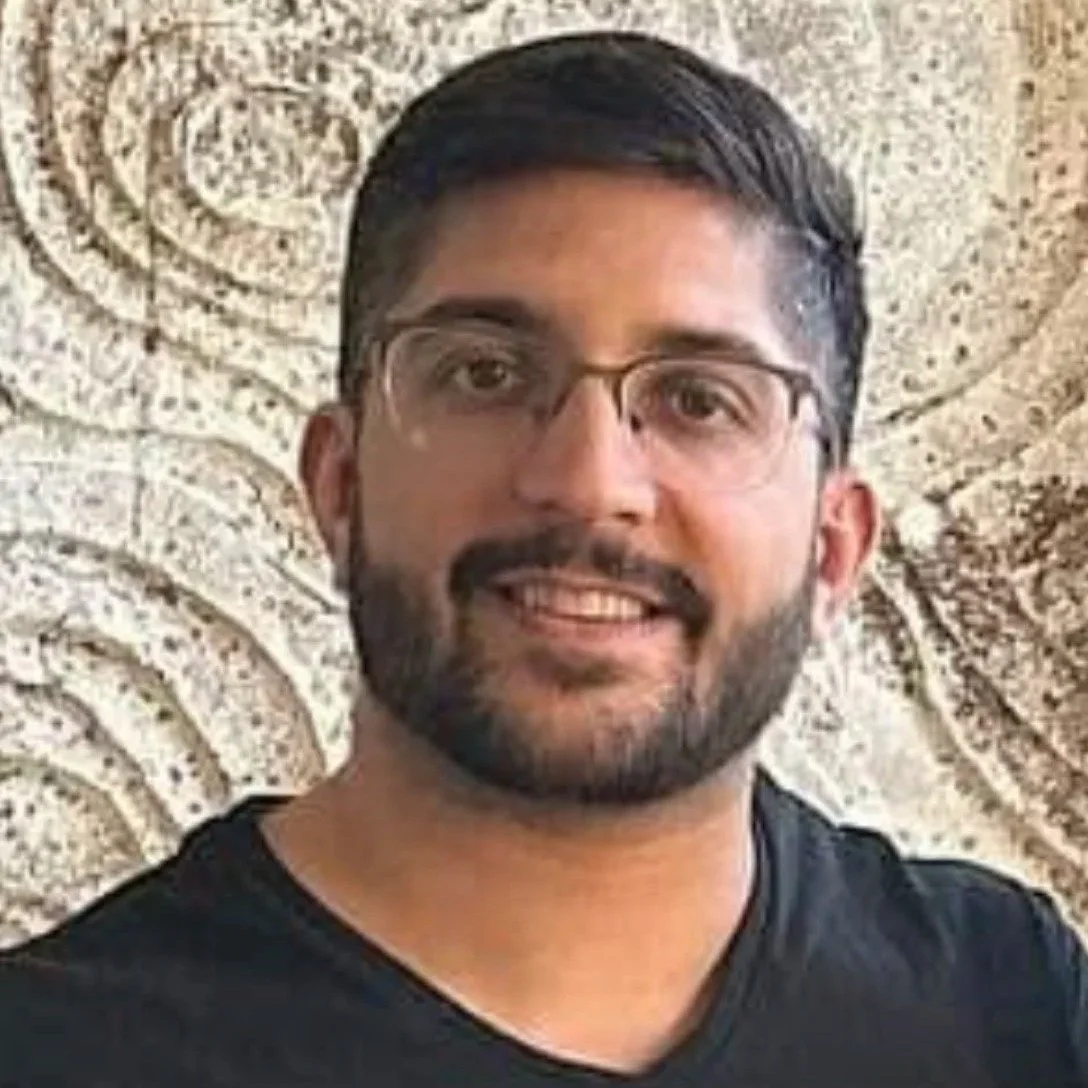
Dr. Michael Pappas describes how residents rejected individual "wellness" fixes for a structural problem, built solidarity with nurses, staff, and patients, and won a unilateral cut in work hours - and why the conditions of those who provide care are inseparable from the care patients receive.
“The only way to reverse this course is to fight back collectively as workers, both to win better conditions and improve our own well-being and to fight for a better system that benefits our patients.”
Context
A contract fight, waged alongside nurses, medical assistants, and other health workers
This work took place during my residency training, where I organized alongside fellow residents who were members of the Committee of Interns and Residents (CIR), a union affiliated with SEIU. Our fight unfolded during contract negotiations with our clinic and hospital leadership. The work spanned several months of escalating organizing, culminating in a threatened strike and a historic victory. We also built solidarity across staff lines, engaging nurses, medical assistants, and other healthcare workers who understood that resident exploitation was not an exception but another example of how workers are exploited under our current healthcare system and, more broadly, our economic system. Those same conditions shaped the care our patients received.
The challenge
Bread-and-butter demands weren't enough to change exploitative conditions
There's a lot of talk about wellness and burnout during residency, but the proposed solutions are often individualist: maintain "balance," practice self-care, and so on. The actual conditions under which doctors train rarely change. We noticed we were being exploited through grueling work hours, inadequate pay, and working conditions that damaged our health and well-being while compromising patient care. Exhausted doctors cannot give patients the safe, attentive care they deserve, and the patients who rely most on clinics like ours have the most to lose when that care suffers.
During contract negotiations, our union was gathering demands - typical bread-and-butter issues like increased pay and extra days off. But after discussions with our co-residents, we agreed that these demands, while important, were not enough. They wouldn't change the fundamentally exploitative working conditions we were under. We were tired of hearing faux concern about resident well-being and "burnout" while watching the Accreditation Council for Graduate Medical Education (ACGME) and our own training programs work together to keep us working more and more hours. Each pointed the finger at the other while training physicians were driven to depression and suicide and patient care suffered. We decided that if our residency cared so much about resident well-being, they should put their money where their mouth was and unilaterally cut our work hours.
The approach
Escalating pressure, built through solidarity and backed by the threat of a strike
We began by talking with our co-residents and building consensus around a demand that went beyond the typical contract asks: a unilateral decrease in resident work hours at our program. Despite our own union recommending against it, we took this fight all the way to our clinic CEO, who told us it couldn't happen because it would be economically damaging for the clinic. We then used a series of escalating tactics to win our demands. We wrote letters to the board, requested meetings, showed up to grand rounds to voice our grievances and expose leadership hypocrisy in public, and ran call-in campaigns. As leadership refused to budge, we escalated further.
We built solidarity across staff lines, speaking with nurses, medical assistants, and other workers. Part of our goal was to point out that the exploitation of residents was not an exception in medicine, but just another example of how workers are exploited under the system. We noted how the resident fight for better working conditions was connected to the fight of nurses and other workers, who generally want better conditions for themselves and, ultimately, to give better care to patients. For example, nurses in the hospital where we rotated had been fighting for better nurse-to-patient ratios and getting similar excuses from hospital administration.
Eventually, we collectively decided in an open assembly format, using open discussion and debate to reach a conclusion, to threaten to withhold our labor. After we threatened to strike, the clinic caved. We won not just the pay increases and other bread-and-butter demands, but also the first unilateral work hours decrease in residency history.
The people most affected
Residents drove every decision, with staff and patients alongside them
The people most affected, the residents, drove every aspect of this fight. It was residents who discussed and agreed that bread-and-butter demands weren't enough, residents who decided to push for the unilateral work hour cut despite our own union recommending against it, and residents who took the fight to the CEO and organized the escalating tactics that ultimately forced leadership to cave. We also built solidarity across staff lines, engaging nurses, medical assistants, and other workers who understood that their working conditions and the care they provide to patients were connected to ours. And we spoke openly with patients, exposing the hypocrisy of the exploitative conditions their health workers faced in a clinic that claimed to care about public health and social justice. This cross-staff and patient organizing was essential to winning.
Results
A unilateral cut in work hours, and relationships that outlasted the contract
We won the first unilateral work hours decrease in residency history, along with pay increases and other contract wins. This victory proved that when training doctors organize together toward a goal, they have real power—and that this power is exactly what residencies are scared of. The connections we developed through this fight also helped us organize later fights. For example, through relationships we built with staff and community members during our contract fight, we eventually attempted to organize to put the entire clinic under worker and community control.
Our fight for a better contract, including a work hour decrease for residents, is even more pertinent today. The ACGME is not only failing to decrease resident work hours but is proposing to increase work hour limits from 80 to 88 hours, shorten post-call rest, and downgrade the required 8-hour gap between shifts to just a suggestion. These proposed changes put patients at risk and have nothing to do with enhancing medical education, and everything to do with the ACGME acting on behalf of the medical-industrial complex to further exploit residents. This work is ongoing: the ACGME comment period is open, and residents are discussing these proposed changes across the country. But if our fight showed anything, it showed that we cannot rely on institutions like the ACGME or our hospital leadership to look out for us. They will keep squeezing residents more and more if they can. The solution is to get organized, talk with your fellow residents and coworkers, and fight back collectively.
Lessons for practice
Residents have real power when they organize collectively
The biggest lesson is that residents have real power when they organize collectively, and this power is what hospital and residency leadership is truly scared of. In our contract struggle, we built solidarity across staff lines, connecting the exploitation of residents to the broader exploitation of workers, not just in the medical-industrial complex but under capitalism. What made the biggest difference was rank-and-file residents driving the fight rather than waiting for our union bureaucracy to lead, and using the threat of the working class's strongest weapon: the strike.
Ultimately, the exploitation of resident doctors is just another example of how workers are exploited, not just in our healthcare system but more broadly under capitalism. As Vicente Navarro has noted, the increasingly exploitative conditions for doctors reflect the "proletarianization" of medicine. This is a process by which physicians lose more and more professional autonomy and are increasingly exploited under our economic system. As Navarro so accurately notes, the process only confirms Marx's prediction that capital will look to dominate areas of social life, including medicine. The only way to reverse this course is to fight back collectively as workers, both to win better conditions and improve our own well-being and to fight for a better system that benefits our patients. Health equity has to include the people who deliver care, because the conditions we work under and the care our patients receive are bound together. There is historical precedent for this: look at the residents who helped take over Lincoln Hospital with the Young Lords in the South Bronx in 1970, producing one of the first patient bills of rights.
Finally, I think our residency fight shows that unions are tools, not the be-all and end-all. We need to work to take them back and make them fighting instruments for the working class, a point that extends to every workplace and every sector. Ultimately, real change comes from getting organized together and demanding that things change, not just at our institutions but at a deeper, systemic level.
*Cases in Health Equity reflect the experiences, perspectives, and views of their authors, which do not necessarily reflect those of the American Health Equity Association. AHEA publishes Cases to bring together the voices of people doing this work across roles, sectors, and viewpoints, to preserve what they have learned so others never have to start from zero, and to strengthen the collective effort to advance health equity.